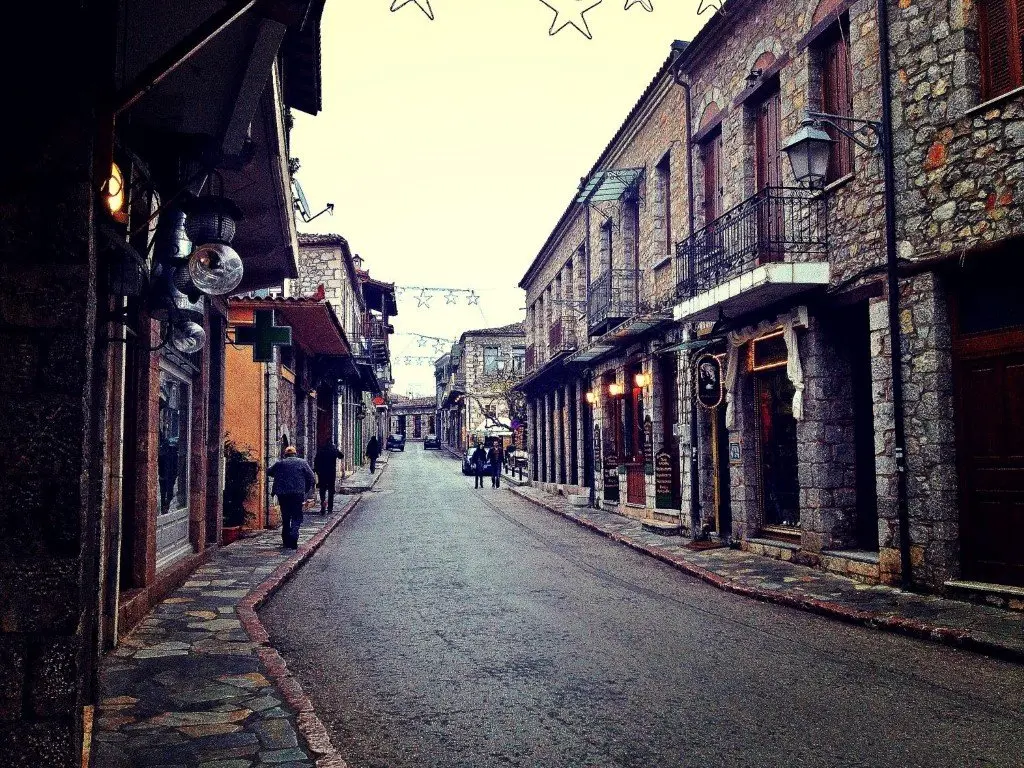
Delphi: A Journey Through the Mountains and the History of Greece
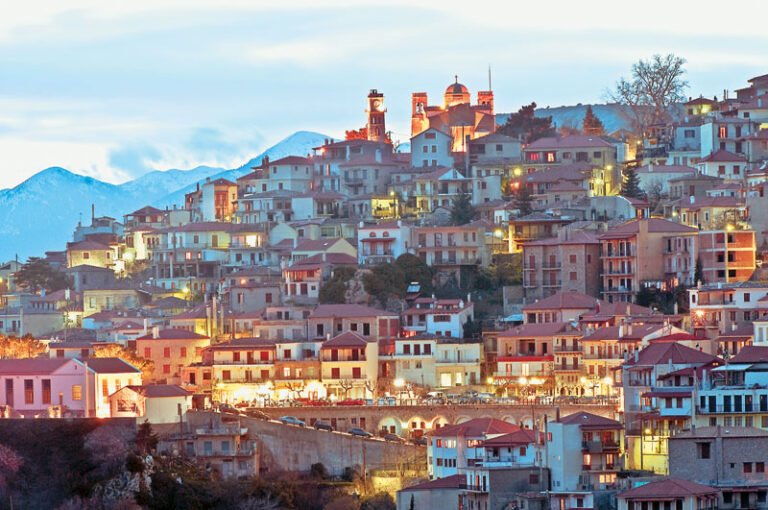
For more than a thousand years, Delphi was considered the spiritual and religious centre of the ancient Greek world.
According to Greek mythology, Zeus released two eagles from opposite ends of the world, and they met at Delphi, marking it as the “Omphalos”—the navel of the world. Built on the magnificent slopes of Mount Parnassus, the Sanctuary of Apollo became the most respected oracle of antiquity.
Kings, generals, philosophers, and entire city-states travelled from across the Greek world to seek guidance from the Pythia, the priestess of Apollo, before making some of the most important decisions in history.
Among those believed to have consulted the Oracle were Croesus, the wealthy king of Lydia, Lycurgus, the legendary lawgiver of Sparta, Themistocles, whose strategy helped secure the Greek victory against the Persians, Philip II of Macedon, and, according to ancient tradition, Alexander the Great, who visited Delphi before beginning his campaign into Asia. Legend says that the Pythia proclaimed him “invincible”, a prophecy that later became associated with his extraordinary conquests.
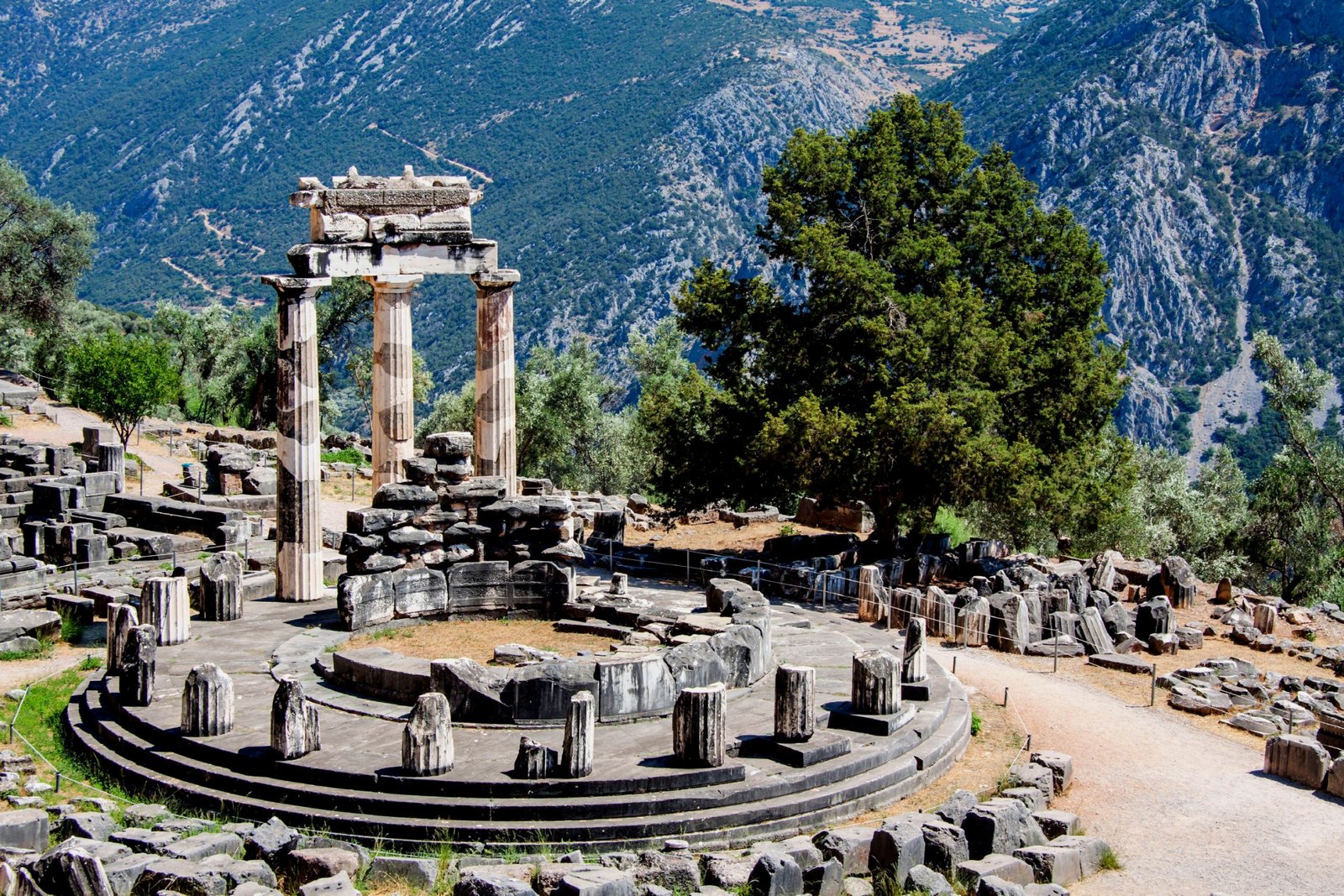
Today, visitors can walk along the Sacred Way, just as pilgrims did over 2,500 years ago, before reaching the impressive Temple of Apollo, where the Oracle delivered its famous prophecies.
The archaeological site also includes the beautifully preserved Ancient Theatre, the Ancient Stadium, where the Pythian Games were held, and breathtaking viewpoints overlooking the Valley of Phocis.
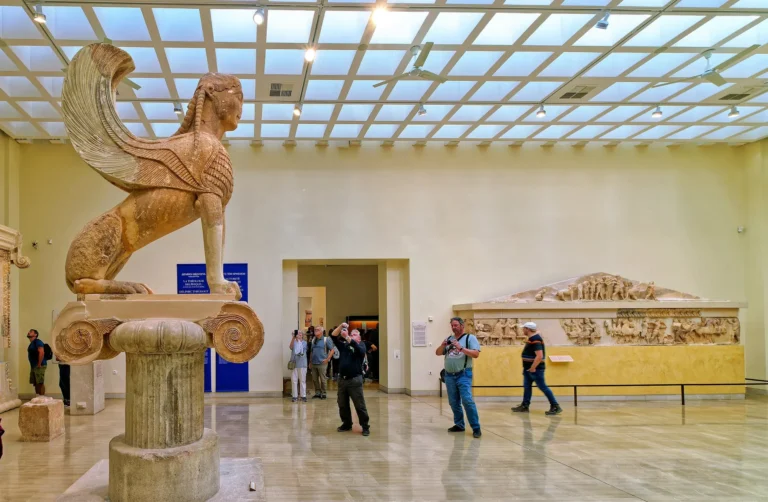
A visit to Delphi would not be complete without exploring the Archaeological Museum of Delphi, home to one of the greatest masterpieces of ancient Greek sculpture—the famous Charioteer of Delphi—along with the Omphalos Stone and many remarkable treasures discovered at the sanctuary